
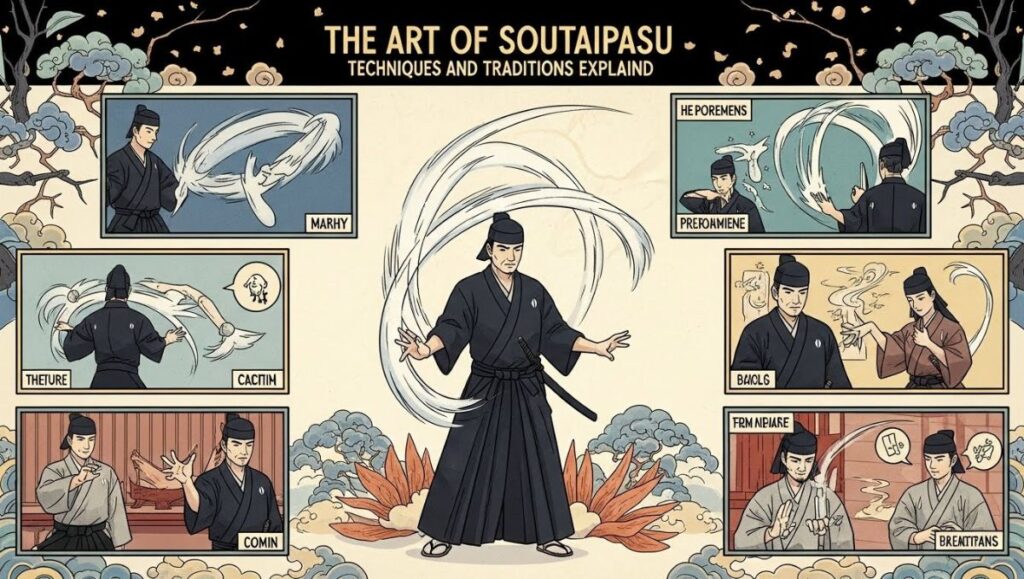
Soutaipasu is more than just a practice; it’s an intricate dance of tradition, skill, and expression. Imagine yourself immersed in the graceful movements that echo centuries of cultural heritage. This art form captures the essence of its origins while inviting new generations to explore its beauty. Whether you’re a seasoned practitioner or curious about this fascinating world, Soutaipasu has something for everyone.
Unlocking the secrets behind these techniques can deepen your appreciation and enhance your own journey within this captivating discipline. As we delve into the rich history and methods that define Soutaipasu, prepare to discover not just an art form but also a vibrant community steeped in meaning and significance. Let’s embark on this enlightening exploration together!
The Origins and Evolution of Soutaipasu
Soutaipasu traces its roots back centuries, intertwining with the rich tapestry of cultural practices in the region. Originating as a form of expression among communities, it has evolved from simple movements to an intricate art form.
Historically, Soutaipasu served various purposes—from rituals and celebrations to personal meditation. As societies transformed, so did this practice. Influences from neighboring cultures contributed new techniques and styles.
The transition was gradual yet significant. What began as basic gestures grew into a sophisticated technique that emphasizes fluidity and grace. Today’s practitioners honor these historical foundations while constantly exploring innovative interpretations.
As generations passed, each contributed their unique flair to Soutaipasu, ensuring its relevance in contemporary culture. This dynamic evolution reflects not only artistic growth but also societal changes over time.
Key Techniques and Movements in Soutaipasu
Soutaipasu is rich with techniques that blend fluidity and precision. At its core, it emphasizes body awareness and control. Practitioners often begin with basic stances to build a solid foundation.
One hallmark movement is the “flowing wave,” where practitioners move seamlessly from one position to another. This technique highlights balance and grace while promoting mindfulness in each action.
Another essential aspect is the “ground connection” technique. It involves anchoring oneself firmly to the earth, enhancing stability during intricate movements. The synergy between grounding and flowing creates an engaging experience.
Breathwork plays a crucial role too; synchronizing breathing patterns with movements fosters deeper concentration. Each exhale expels tension, paving the way for more expansive movements.
Through consistent practice of these techniques, individuals cultivate not only physical skills but also emotional resilience, making Soutaipasu truly transformative.
The Importance of Tradition in Soutaipasu
Tradition plays a vital role in Soutaipasu, binding practitioners to their cultural roots. Each movement and technique is steeped in history, reflecting the values and beliefs of generations past.
Understanding these traditions enriches the practice itself. It not only preserves the essence of Soutaipasu but also fosters a sense of community among its followers. Practicing with respect for tradition instills discipline and reverence.
Moreover, traditional rituals often accompany training sessions. These elements create an atmosphere that honors the art form’s origins while allowing modern interpretations to flourish.
As learners engage with these customs, they develop a deeper connection to Soutaipasu. This bond transforms simple movements into expressions of identity and heritage. Thus, embracing tradition becomes essential for anyone wishing to master this intricate art form.
Training and Practicing Soutaipasu
Training in Soutaipasu requires dedication and practice. Beginners often start with basic movements, focusing on balance and posture. These foundational skills are crucial for mastering more complex techniques later.
Regular practice sessions help reinforce muscle memory. Individuals can benefit from incorporating drills that enhance agility and coordination. It’s also helpful to train with a partner, allowing for feedback and encouragement.
Attending classes led by skilled instructors offers valuable insights into the art of Soutaipasu. They provide guidance on proper form while helping students develop their own style.
Mindfulness plays a significant role in training as well. Practitioners learn to connect their mind and body through every motion they make.
Setting personal goals keeps motivation high, whether it’s perfecting a specific technique or increasing stamina during longer sessions. The journey of learning is just as important as the destination within this captivating discipline.
Cultural Significance and Impact of Soutaipasu
Soutaipasu is more than just a physical practice; it embodies a cultural narrative woven through generations. Each movement reflects the values and beliefs of its origins, offering insight into the community from which it springs.
This art form serves as a bridge connecting individuals to their heritage. Participants often share stories that enrich each session, fostering a sense of belonging among practitioners.
The impact extends beyond personal growth. Soutai-pasu has inspired artistic expressions in music, dance, and visual arts, showcasing its versatility and reach within various cultural spheres.
As people engage with Soutaipasu today, they do not merely replicate movements; they breathe life into tradition while adapting it to contemporary contexts. This dynamic exchange promotes understanding across diverse communities, making Soutaipasu an enduring symbol of unity and resilience in culture.
How to Incorporate Soutaipasu into Your Life
Incorporating Soutaipasu into your life can be a transformative experience. Start by setting aside time each week for practice. Even short sessions can have profound effects.
Create a dedicated space at home where you feel comfortable and inspired. This could be a quiet corner or even an outdoor area that resonates with nature.
Consider joining a local Soutaipasu community or finding online classes. Engaging with others will deepen your understanding and keep you motivated.
Experiment with blending Soutaipasu movements into daily activities, such as walking or stretching routines. It’s about infusing mindfulness into every step you take.
Reflect on the principles of Soutaipasu in your interactions with others. Cultivating patience and grace can enhance relationships significantly, bringing harmony to both body and mind.
Conclusion
Soutaipasu is more than just a practice; it’s an experience that bridges tradition and modernity. By embracing its techniques, participants not only gain physical strength but also connect with cultural roots. The journey of mastering Soutaipasu offers insights into discipline and artistry.
As you explore this vibrant art form, consider how it can enhance your daily life. Whether through dedicated training or simply appreciating its beauty, Soutaipasu has something to offer everyone. Engaging with its movements invites a deeper understanding of self-expression and cultural heritage.
So, dive in and discover the transformative power of Soutaipasu for yourself. Let each movement guide you on a path toward greater awareness and harmony within your life.