
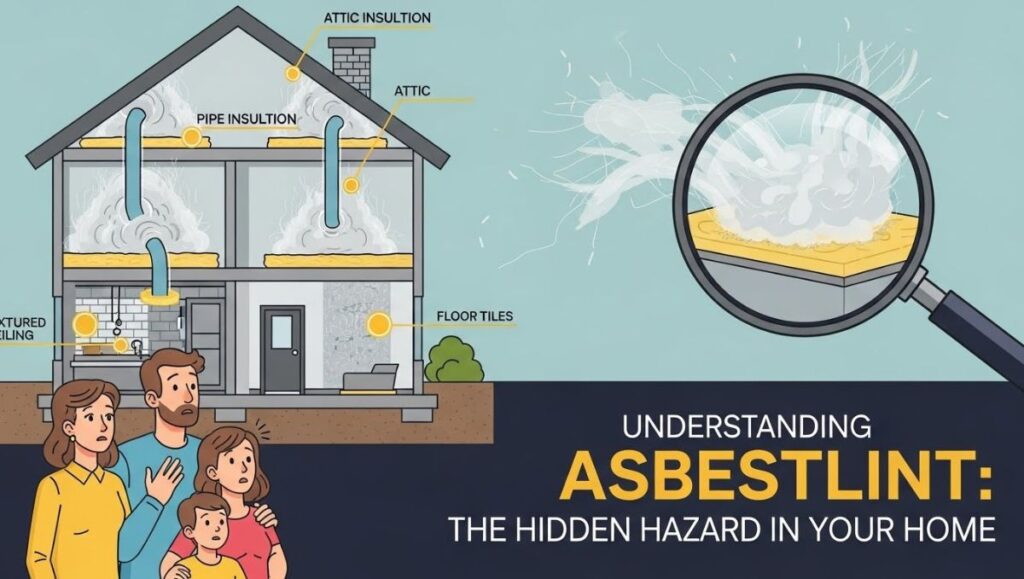
As you stroll through your home, admiring the cozy corners and cherished memories, there’s an invisible threat lurking just beneath the surface. This hidden hazard is known as asbestlint, a term that might not sound familiar but carries significant implications for your health and safety. While many of us think asbestos is a relic of the past, it’s still present in numerous homes built before strict regulations were enacted. Understanding what asbestlint is and where it can be found is crucial for safeguarding yourself and your loved ones from its dangers. Let’s dive into this often-overlooked topic to ensure your home remains a safe haven.
The Dangers of Asbestos Exposure
Asbestos exposure poses serious health risks, often without immediate symptoms. Inhalation of asbestos fibers can lead to life-threatening conditions.
One major concern is asbestosis, a chronic lung disease that causes inflammation and scarring. This condition can result in severe respiratory issues over time.
Another critical risk is mesothelioma, a rare cancer linked directly to asbestos exposure. Its aggressive nature makes early detection challenging and treatment difficult.
Lung cancer also shares a connection with asbestos, significantly increasing the risk for smokers exposed to these harmful fibers.
Even short-term exposure can have lasting effects on your health. Many people are unaware they’ve been in contact with this hidden danger until it’s too late.
The long latency period of these diseases means symptoms may not arise for decades after initial exposure. Awareness is crucial; understanding the dangers helps protect you and your loved ones from potential harm.
Where Can Asbestos Be Found in Your Home?
Asbestlint can lurk in various areas of your home, often hidden from sight. It’s crucial to know where it might be found, especially if your house was built before the 1980s.
Common locations include insulation around pipes and boilers. This material was valued for its heat resistance but poses serious health risks.
You may also find asbestos in flooring tiles and their adhesive. Many older homes feature these tiles, which can release fibers when damaged.
Ceiling textures are another area of concern. Popcorn ceilings or other decorative finishes could contain asbestlint.
Don’t overlook attics and basements either. They often hold old materials that might contain asbestos, particularly insulation products.
Being aware of these hotspots helps you take precautionary steps to protect yourself and your family from exposure.
How to Identify and Test for Asbestos
Identifying asbestos in your home can be challenging. First, look closely at materials that were common before the 1980s. This includes insulation, floor tiles, and textured ceilings. If your home was built during this time frame, there’s a chance it may contain asbestlint.
Visual cues are essential but not definitive. Discoloration or damage to these materials could indicate the presence of asbestos fibers. Always approach with caution; disturbing these materials can release harmful particles into the air.
For an accurate assessment, consider hiring a certified professional for testing. They can take samples safely and send them to a lab for analysis. DIY kits are available but often lack thoroughness compared to expert evaluation.
If you suspect asbestlint is present, avoid unnecessary handling until tests confirm its existence. Prioritizing safety ensures you keep your living environment healthy while navigating potential hazards effectively.
Removal and Safety Precautions
Removing asbestlint requires careful planning and execution. It’s not a task for the average DIY enthusiast. Professionals trained in asbestos abatement should handle it to ensure safety.
Before removal begins, clear the area of any furniture or personal items. This minimizes contamination risk. Seal off work areas using plastic sheeting to contain asbestos fibers.
Personal protective equipment is crucial during the process. Respirators, disposable coveralls, and gloves help prevent exposure. Workers must follow strict protocols to avoid spreading harmful particles.
Once removal is complete, proper disposal of asbestlint is necessary. It should be placed in clearly labeled containers and taken to designated facilities that specialize in hazardous waste.
Ensure air quality tests are conducted post-removal to confirm no lingering fibers remain before returning home. Keeping these precautions in mind can significantly reduce health risks associated with asbestos exposure.
Legal Rights and Compensation for Asbestos Exposure
If you’ve been exposed to asbestos, understanding your legal rights is crucial. Many people may not realize that they can seek compensation for health issues caused by this hazardous material.
In numerous countries, laws protect individuals affected by asbestos exposure. You might have the right to file a claim against manufacturers or employers responsible for exposing you to asbestos. This could lead to financial support covering medical bills and lost wages.
It’s vital to keep thorough documentation of your exposure and any related health problems. Medical records, employment history, and witness statements can all strengthen your case.
Consulting with an attorney who specializes in asbestos cases is essential. They can guide you through the complexities of the legal process and help ensure you receive fair compensation for your suffering.
Conclusion
Asbestlint is more than just a term; it represents a significant health risk that many homeowners may unknowingly face. Understanding what asbestos is and where it can be found in your home empowers you to take action. The dangers of exposure are serious, making awareness crucial.
Identifying asbestlint isn’t always straightforward, but knowing the signs can help safeguard your family’s health. If you suspect its presence, consider testing with professionals who specialize in this area. Remember that removal should never be a DIY project; safety precautions are paramount.
Legal rights exist for those affected by asbestos exposure, offering support and avenues for compensation. It’s essential to stay informed about these options if you’ve been impacted.
Navigating through the complexities of asbestlint requires diligence and care. Your home should be a safe haven—a careful approach can help ensure it remains one for years to come.