
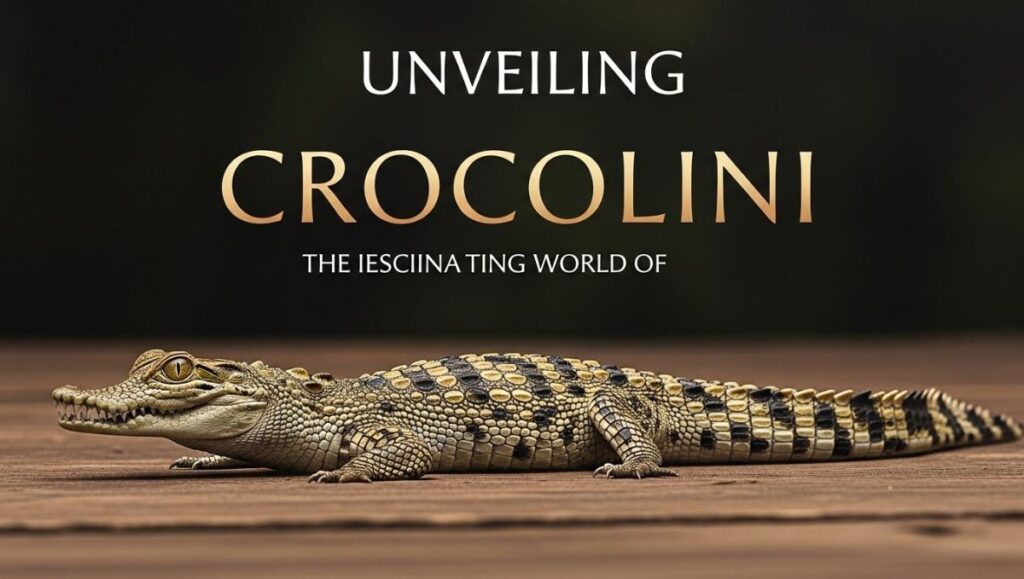
Welcome to the captivating world of Crocolini, where miniature crocodiles take center stage! These pint-sized reptiles are not just adorable; they play a vital role in their ecosystems. Imagine tiny jaws snapping and glistening scales reflecting sunlight as these diminutive creatures glide through water or bask on riverbanks. With a variety of species, each with unique traits and adaptations, Crocolini offer more than just a glimpse into nature’s wonders—they remind us of the delicate balance that sustains our planet’s biodiversity. Dive in as we explore what makes these little crocs so fascinating and essential to their habitats!
The Different Species of Miniature Crocodiles
The world of Crocolini boasts several fascinating species, each with its own unique traits. One of the most notable is the Dwarf Caiman. This petite creature typically measures around 4 to 5 feet in length and can be found in freshwater habitats across South America.
Another intriguing member is the Pygmy Crocodile. This species thrives in the mangroves and swampy regions of West Africa, showcasing a beautiful blend of greens and browns that helps it camouflage seamlessly into its surroundings.
Then there’s the Spectacled Caiman, recognizable by its distinctive bony ridge between its eyes. These crocodiles are slightly larger but still fall under the miniature category, reaching up to 6 feet long.
Each species has adapted uniquely to their environments, making them remarkable examples of evolution in action within this captivating family.
Characteristics and Adaptations of Crocolini
Crocolini, the miniature crocodiles, exhibit a range of unique characteristics that set them apart from their larger relatives. Their compact size allows them to navigate through dense vegetation and shallow waters with ease. These adaptations are crucial for hunting and evading predators.
Their skin is another fascinating feature. It’s typically covered in small, bony plates called osteoderms, providing both protection and camouflage among riverbeds and swampy areas.
Additionally, Crocolini possess specialized teeth designed for gripping slippery prey like fish or amphibians. This dental adaptation helps them maintain a firm hold during feeding.
These mini reptiles have also adapted behavioral traits. They often bask on sunlit rocks or branches to regulate their body temperature efficiently while remaining alert to potential threats nearby.
Such remarkable adaptations make Crocolini not just intriguing creatures but vital players within their ecosystems as well.
Habitat and Distribution of Crocolini
Crocolini, the captivating miniature crocodiles, are primarily found in freshwater habitats. They thrive in swamps, rivers, and marshes where vegetation provides cover and hunting grounds.
These small reptiles inhabit regions across Southeast Asia and parts of Africa. Their distribution is often linked to specific environmental conditions that support their survival.
In addition to water bodies, Crocolini prefer areas with abundant hiding spots. Dense foliage allows them to stalk unsuspecting prey while providing protection from larger predators.
Urban encroachment has affected their natural range. As humans expand into these delicate ecosystems, Crocolini face increasing challenges in finding suitable habitats.
Understanding their habitat preferences is crucial for conservation efforts aimed at protecting these remarkable creatures. By preserving wetlands and clean waterways, we can help ensure a thriving environment for Crocolini amidst changing landscapes.
Threats to the Survival of Crocolini
The survival of Crocolini is increasingly jeopardized by human activities. Habitat destruction plays a significant role in their declining numbers. Wetland drainage and deforestation are common culprits, diminishing their natural environments.
Pollution also poses a severe threat to these miniature crocodiles. Contaminated water sources impact their health and breeding success. Chemicals can disrupt reproductive cycles, leading to fewer hatchlings.
Additionally, climate change introduces unpredictable weather patterns, affecting food availability and nesting sites. Rising temperatures could alter the delicate balance of their ecosystems.
Illegal hunting further exacerbates the situation. These unique creatures are sometimes targeted for exotic pet trade or traditional medicine markets.
Invasive species contribute to competition for resources as well. They often outcompete Crocolini for food or habitat, making survival even more challenging in an already precarious situation.
Conservation Efforts for Crocolini
Conservation initiatives aimed at Crocolini are gaining momentum. Organizations worldwide are focusing on habitat preservation. Protecting wetland ecosystems is crucial for these miniature crocodiles.
Research programs play a key role in understanding their behavior and reproduction. By studying Crocolini, scientists can develop strategies for their protection. Awareness campaigns also highlight the importance of these species to local communities.
Community involvement is vital as well. Local residents often participate in conservation efforts, fostering a sense of ownership over their environment. Education programs help people appreciate the ecological value of Crocolini.
Several breeding programs have emerged too, aiming to boost population numbers in the wild. These controlled environments ensure genetic diversity and reduce threats from poaching or habitat loss.
Policy changes are necessary as well, advocating stricter regulations against illegal wildlife trade and habitat destruction. Collaboration between governments and NGOs can create sustainable solutions that benefit both Crocolini and humans alike.
The Future of Crocolini and their Role in the Ecosystem
The future of Crocolini appears to be intricately tied to their ecosystems. These miniature crocodiles play a crucial role in maintaining the balance of their habitats. They are not just predators; they also serve as prey for larger animals, thus contributing to the food web.
As climate change and habitat destruction continue to threaten biodiversity globally, the survival of Crocolini is at stake. Their unique adaptations make them resilient, yet they still face challenges from pollution and human encroachment on their territories.
Conservation efforts aimed at protecting wetland areas can help safeguard these fascinating creatures. Moreover, raising awareness about Crocolini’s ecological significance can foster community engagement in conservation practices.
The role that these miniature crocodiles play extends beyond their immediate environment. They contribute to controlling fish populations and maintaining healthy aquatic ecosystems. As stewards of our planet’s waterways, preserving Crocolini ensures that we protect broader environmental health.
Fostering an appreciation for all wildlife species will be essential moving forward. The more we learn about Crocolini and other animals within similar niches, the better equipped we’ll be to ensure a sustainable coexistence with them and preserve vital ecosystems for years to come.